Matcha may feel modern, but its story stretches back hundreds of years.
Long before matcha lattes and café menus, powdered tea was connected with Buddhist practice, Japanese culture and the art of slowing down.
UNDER CONSTRUCTION

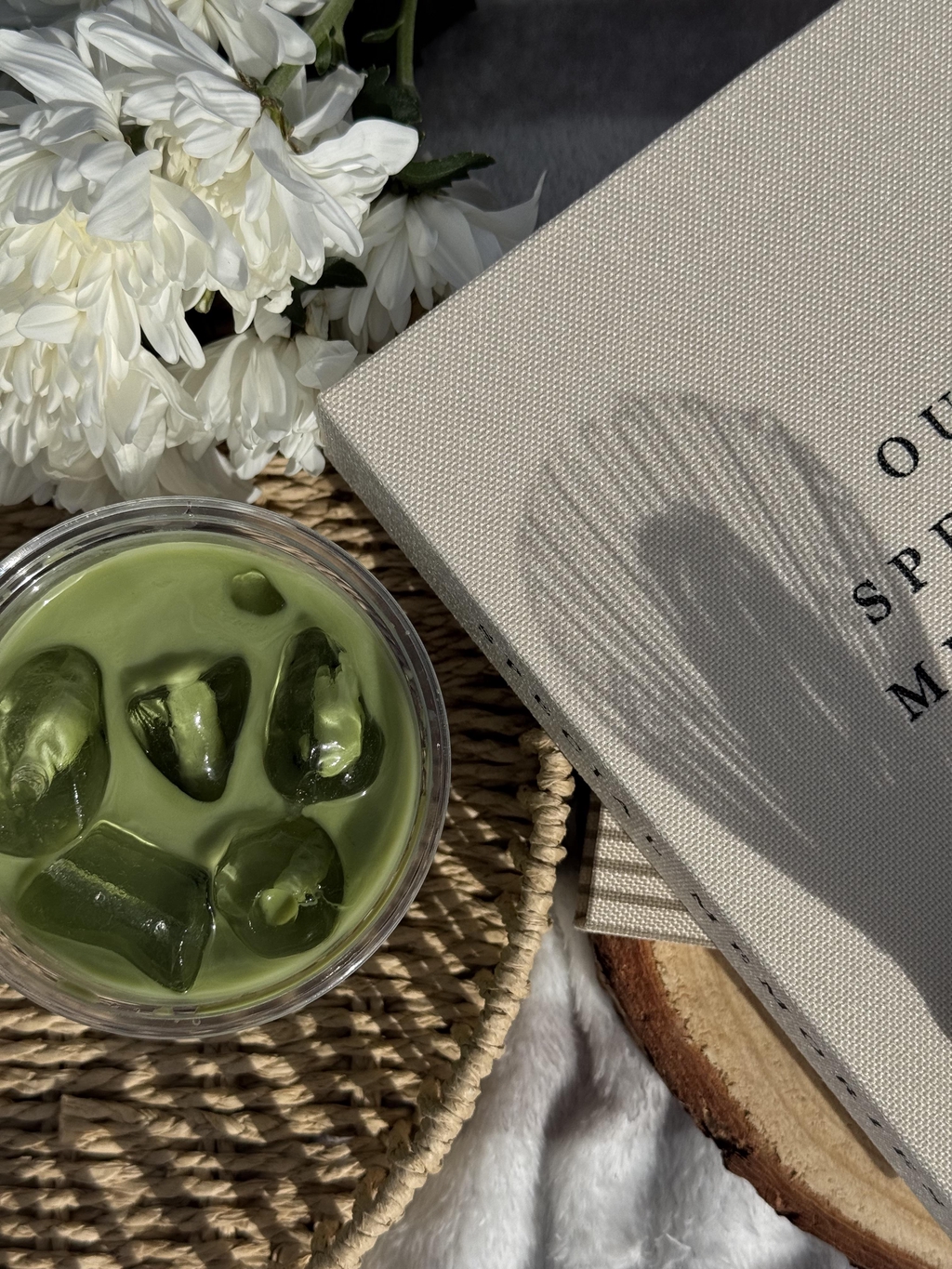
Matcha may feel modern, but its story stretches back hundreds of years.
Long before matcha lattes and café menus, powdered tea was connected with Buddhist practice, Japanese culture and the art of slowing down.
The roots of powdered tea can be traced back to China, where forms of compressed and powdered tea were consumed centuries ago.
During the Song dynasty, powdered tea became particularly popular. Tea leaves were processed, ground into powder and whisked with hot water— a preparation that has some similarities to the way matcha is enjoyed today.
Tea had already reached Japan earlier, but powdered tea culture became particularly influential after the Japanese Buddhist monk Eisai returned from China in the late 12th century.
He brought tea seeds and knowledge of tea preparation back to Japan, where tea became increasingly connected with Zen Buddhist practice.
Monks valued tea partly for its ability to help them remain alert during long periods of meditation.
Over time, powdered tea culture gradually declined in China, while in Japan it continued to develop into something uniquely Japanese.
As tea became more established in Japan, its preparation evolved beyond simply making a drink.
By the 15th and 16th centuries, influential tea masters helped shape what would become chanoyu — the Japanese Way of Tea.
One of the most important figures was Sen no Rikyū, whose approach emphasised simplicity, humility and harmony.
Rather than extravagance, the experience focused on appreciating the moment — the tea, the utensils, the surroundings and the people sharing them.
These ideas remain deeply connected with Japanese tea culture today.
The methods used to produce matcha also became increasingly refined.
Tea plants intended for matcha are shaded before harvest. The leaves are then harvested, steamed, dried and processed into tencha, before being finely ground into matcha.
Different regions of Japan developed their own tea-growing traditions, with places such as Uji in Kyoto and Yame in Fukuoka becoming particularly respected for high-quality Japanese tea.
For centuries, matcha was closely associated with tea ceremony, temples and traditional Japanese culture.
Today, its world has become much bigger.
Matcha can still be prepared traditionally as Usucha or Koicha, but you will also find it in modern cafés, iced drinks, lattes, desserts and kitchens around the world.
The way we enjoy matcha may continue to evolve, but behind every bowl is a history of cultivation, craftsmanship and tradition stretching back centuries.
At Sawasdee Matcha, we respect where matcha comes from while enjoying where it is going.
From an ancient bowl of whisked tea to the matcha in your cup today — the story continues.